
Late Season Hurricanes, Lasting Impacts: Why Resilience is Important Year-Round
The 2025 hurricane season has been mostly quiet so far, but it’s not time for homeowners to let down their guard. Some of the most memorable storms, like Hurricanes Hugo, Sandy and Michael, crashed ashore in September and October. Last year, Hurricane Helene made a late-September landfall in Perry, Florida, with winds reaching 140 mph. It was the strongest storm on record to hit the region and the deadliest Atlantic hurricane since Maria in 2017, causing $78.7 billion in damages and devastating flooding in Western North Carolina.
It only takes one storm to disrupt your life, and It’s not too late to prepare this hurricane season. Proactive, year-round risk mitigation and investments in resilience strategies, from the Insurance Institute for Business & Home Safety’s FORTIFIED program to DIY prep and maintenance projects, can help reduce losses and speed up recovery.
The Unique Threat of Late-Season Storms
Over the past ten years, several late-season storms have impacted both inland and coastal communities across the Southeast and Gulf Coast.
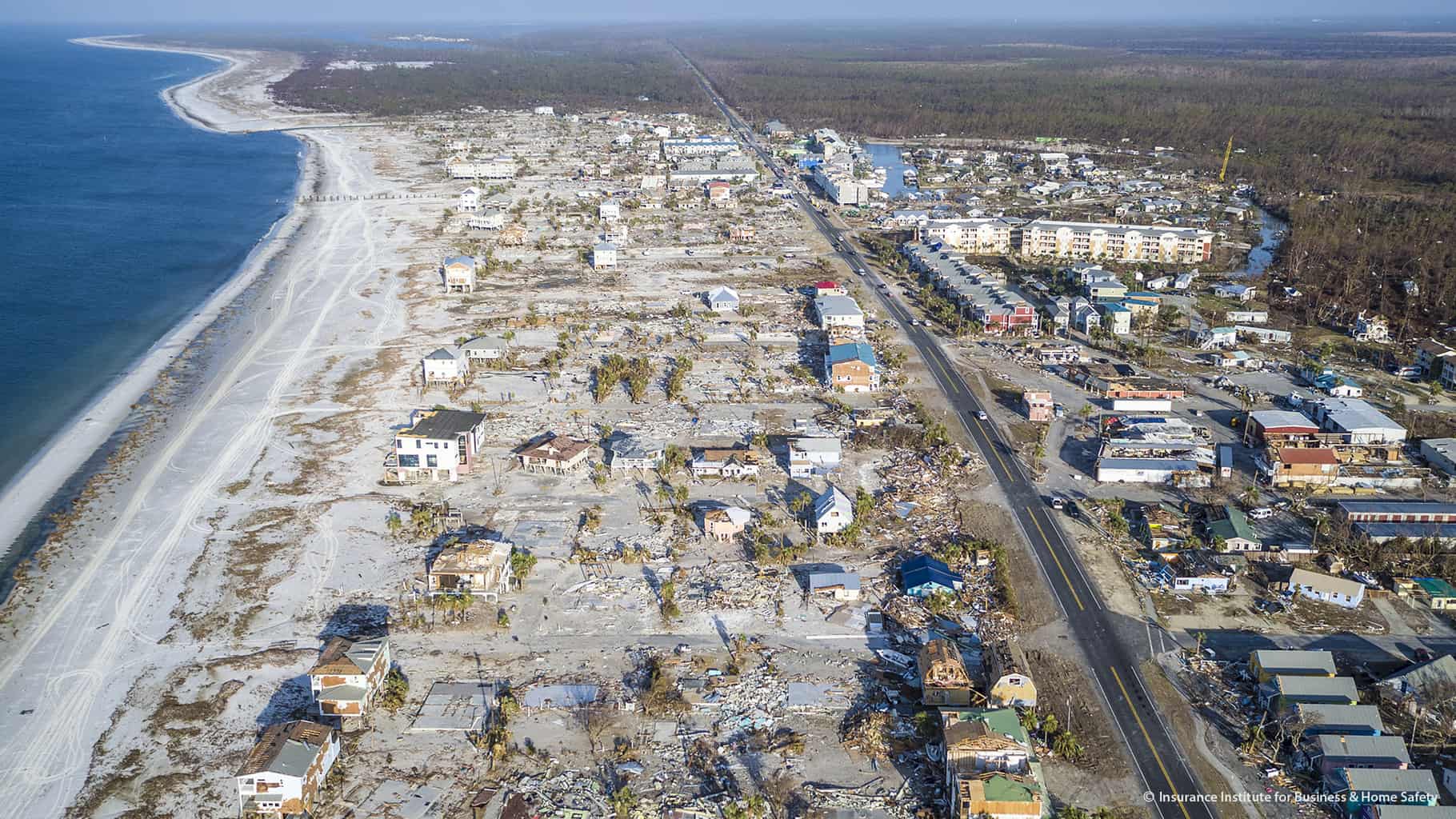
- Hurricane Michael (October 2018): Michael swept through the Florida Panhandle as a Category 5 storm with 160 mph winds, damaging over 60,000 homes and causing more than $25 billion in total losses.
- Hurricane Zeta (October 2020): Although smaller in scale than Michael, Zeta made landfall as a Category 3 storm with wind gusts that surged inland into the Southeastern part of the U.S. and caused extensive structural damage to roofs along coastal areas. Zeta left $4.4 billion in damages, with significant destruction in Louisiana and Mississippi.
- Hurricane Ian (September 2022): Ian made landfall in Southwest Florida as a Category 4 storm in late September with winds from 150-160 mph, making it the fifth-largest storm to strike the U.S., leaving $47 billion in insured losses in its wake.
- Hurricane Milton (October 2024): Milton made landfall in Siesta, Florida, in early October as a Category 3 storm with 120 mph winds. The hurricane spawned several tornadoes across the state, causing widespread roof damage and destruction, with total losses at $34.4 billion.
The Role of FORTIFIED and Modern Code in Risk Mitigation
Loss does not have to be the recurring theme for severe storms. Investing in home resilience and upgrades means less damage in the storm’s aftermath. The difference between standard building codes and FORTIFIED becomes more evident when you examine how it consistently performs.
Following Hurricane Michael, IBHS field teams assessed 186 homes and documented extensive roof failures, uplift damage and wall collapses in homes built to modern codes. For example, in Mexico Beach, Florida, 94% of the structures were damaged, and nearly half were destroyed. In contrast, homes that were built to the FORTIFIED standard or retrofitted with stronger connections showed significantly less damage.
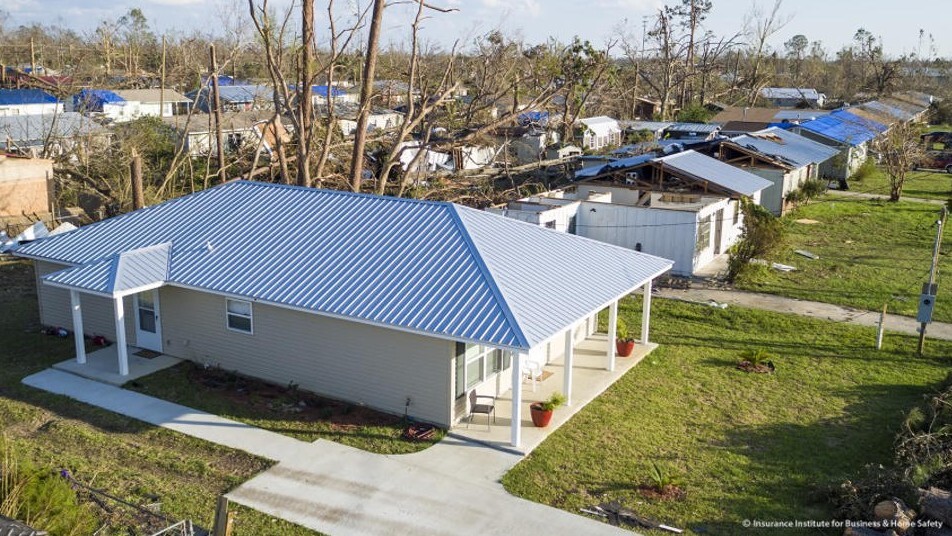
Four years later, Hurricane Ian impacted an area of Florida with even more homes built to the modern Florida Building Code (FBC). In Building Performance in SW Florida during Hurricane Ida, IBHS researchers detail how homes built to the modern FBC fared far better than older homes. In fact, the differences in construction “nearly eliminated structural damage” for the newer homes, leading to shorter displacement time and far less extensive repairs for those homeowners.
In coastal Alabama, strong codes and broad implementation of the FORTIFIED program were put to the test when Hurricane Sally made landfall in September 2020. According to a study by the Center for Risk and Insurance Information at the University of Alabama, homes built to the modern code performed significantly better than older homes, but FORTIFIED homes came through the storm even better. In fact, the 7,400 FORTIFIED homes in the study sample were 70% less likely to suffer damage than typically-constructed homes. The study also estimated that if all homes had been built to the FORTIFIED Home–Gold standard, overall damage could have been reduced by up to 75%.
The bottom line: resilient design reduces loss, accelerates recovery and supports safer and stronger communities.
It’s not too late to prepare for the final weeks of hurricane season. Check out the DIY and home improvement resources in the IBHS Hurricane Ready guide, which can help you identify and address vulnerabilities around your property, reducing the impact of the next storm. Or click here to learn more about how FORTIFIED can help you defend your home from severe weather.
Stay In The Know
Do you want to keep up with the latest resiliency research? Would you like timely tips and reminders to keep your home safe from Mother Nature? Are you interested in the science behind the FORTIFIED standard? Then sign up for the FORTIFIED Update, today!