
Prepare For Every Season: A Homeowner’s Guide to Risk Assessment and Resilience
Moving to a new area brings exciting opportunities, but it also means learning about new weather challenges. Risks like hurricanes, tornadoes, wildfires or winter storms can vary greatly from one region to another, and the steps you took at your last home to prevent storm damage might not meet your current needs. Understanding your local severe weather hazards is the first step to protecting your home and peace of mind.
Severe weather can strike any time of year, so preparation should be proactive. By identifying risks and prioritizing smart upgrades now, you’ll reduce vulnerabilities, avoid costly repairs, and keep your belongings safe when the next storm hits.
This guide highlights four major natural perils U.S. homeowners face – hurricanes, tornadoes, wildfires and winter weather – and offers science-backed actions to strengthen your home’s resilience.
Start by Knowing Your Home’s Weak Spots
Before you can protect your home, you need to understand where it’s most vulnerable. The Insurance Institute for Business & Home Safety (IBHS) offers easy-to-follow checklists to help you spot potential issues in key areas:
- Roof: What kind of roof do you have? Did you know different roof cover types age differently? How old is the roof? How is it attached to the rest of the home?
- Windows & Doors: Is your garage door labeled for wind resistance? Do you have hurricane shutters? Are there gaps that can let water or wind inside?
- Siding & Exterior: Is there any visible damage? Do you have missing siding? If you live in a wildfire-prone area, is the material fire-resistant?
- Decks & Porches: Are there rusted or corroded connectors or fasteners? Is the porch post rotting? Are there combustible materials nearby?
- Foundation: Are there drainage issues, cracks, or moisture problems?
Your risk depends on your location and how your home was built. Tools like FEMA’s National Risk Index provide county-level insights into hurricanes, tornadoes, wildfires, and winter storms. Local emergency management offices offer risk maps, evacuation routes, and hazard zones specific to your community. You can also review real estate disclosures, building records, and community planning documents to uncover long-term vulnerabilities.
Next Up: Strengthen Your Home According to Risk
No matter the risks you face, you have the power to reduce damage. Start with quick, low-cost options and then build resilience that fits your budget.
Hurricanes: Resistance Where It Matters Most
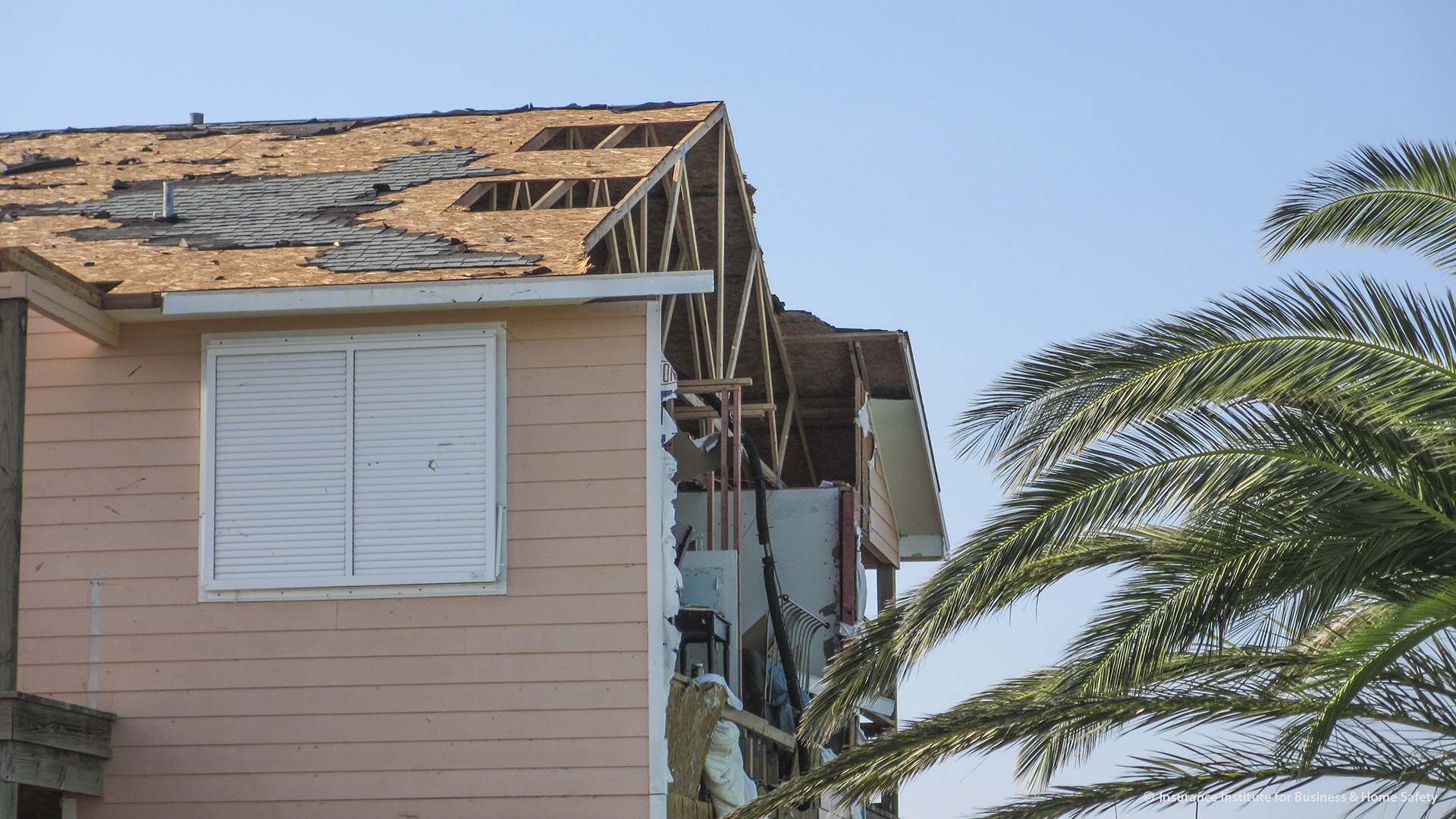
Wind, rain, and flying debris can compromise vulnerable areas of your home, starting a cascade of damage.
- Start from the Top: Have your roof inspected by a trusted and licensed roofing company to understand its current condition. Be sure to address existing damage or signs of aging, such as loose or missing shingles, unsealed vents or leaking around chimneys or skylights that could lead to disaster later.
- Upgrade for Strength: If it’s time to re-roof, ask for a FORTIFIED Roof for one proven to save homeowners millions in losses. Nearly 100,000 homeowners in the U.S. are living under FORTIFIED roofs.
- Protect Openings: Upgrade to impact-resistant windows or add storm shutters, and upgrade to wind-rated garage doors to keep wind and rain out.
For more guidance on hurricanes and risk mitigation, check out IBHS’s Hurricane Ready guide.
Tornadoes: Keep the Structure Intact
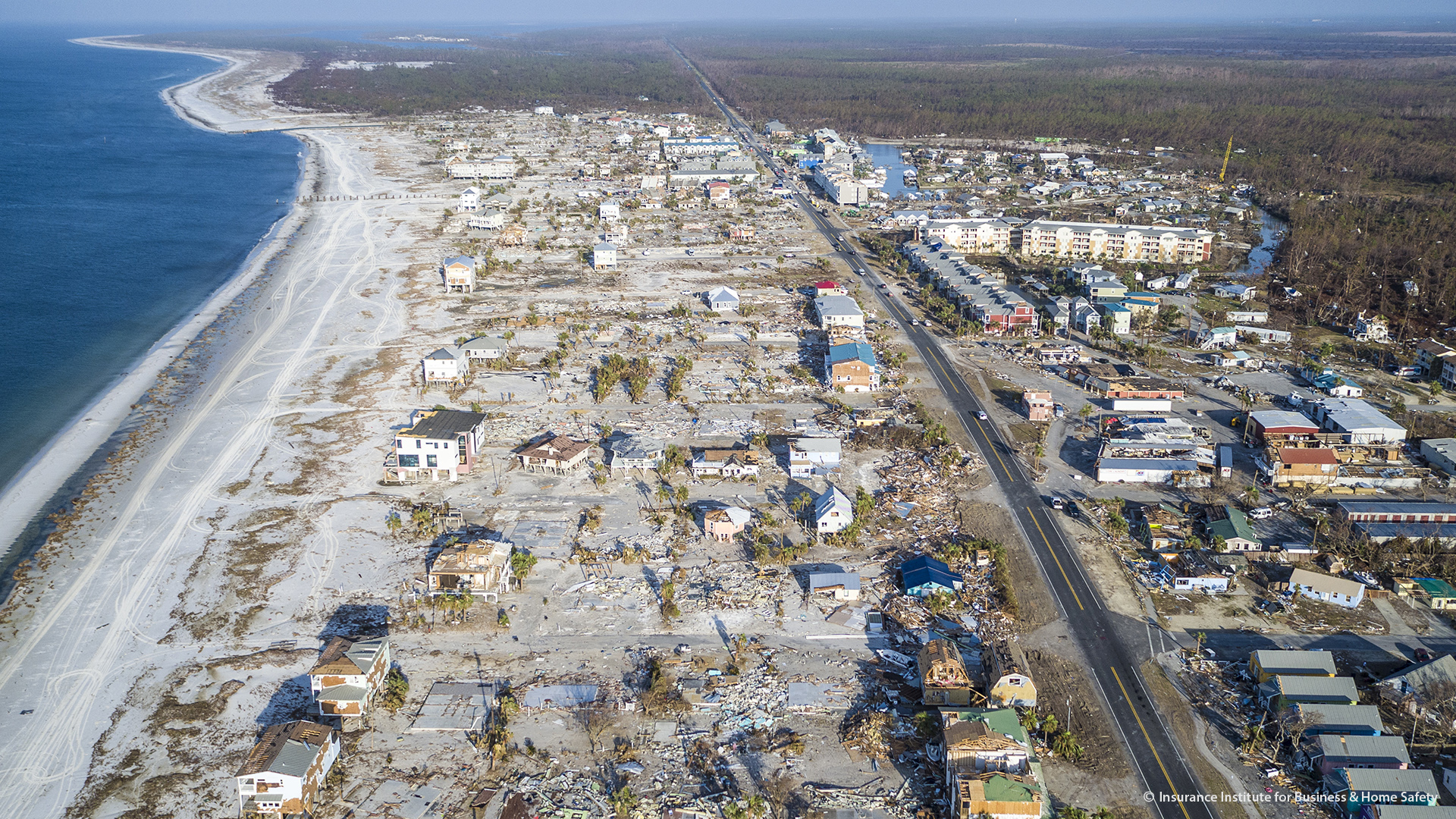
Even if you live outside of Tornado Alley, such as in the Southeast, tornado outbreaks can still impact your area. Taking sunny-day prep can save stress and time later.
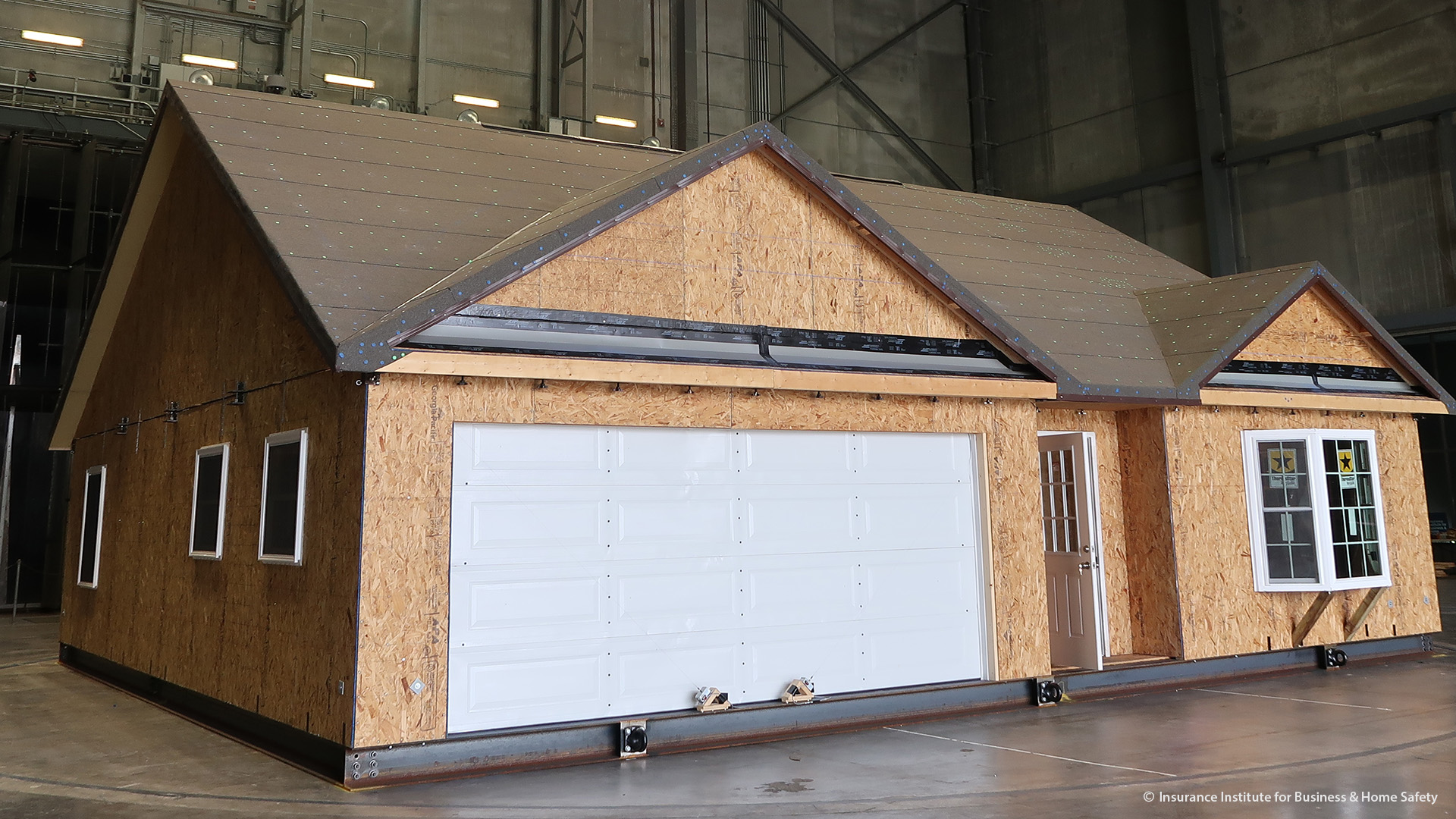
- Reinforce the Roof System: Check your roof for signs of aging or existing damage and address any vulnerabilities. When you re-roof, a FORTIFIED Roof’s collection of construction upgrades keeps the wind and rain out and your belongings better protected.
- Protect Against Flying Debris and Your Openings: Secure outdoor furniture and trim trees to reduce flying debris; install a wind-rated garage door.
- Plan a Safe Space: Identify a basement or interior room on the lowest floor. Consider constructing a storm shelter built to FEMA standards for added safety.
Find more ways to protect against tornadoes, severe convective storms and hail in IBHS’s Thunderstorm Ready guide.
Wildfires: Defend Your Home Using a System of Actions
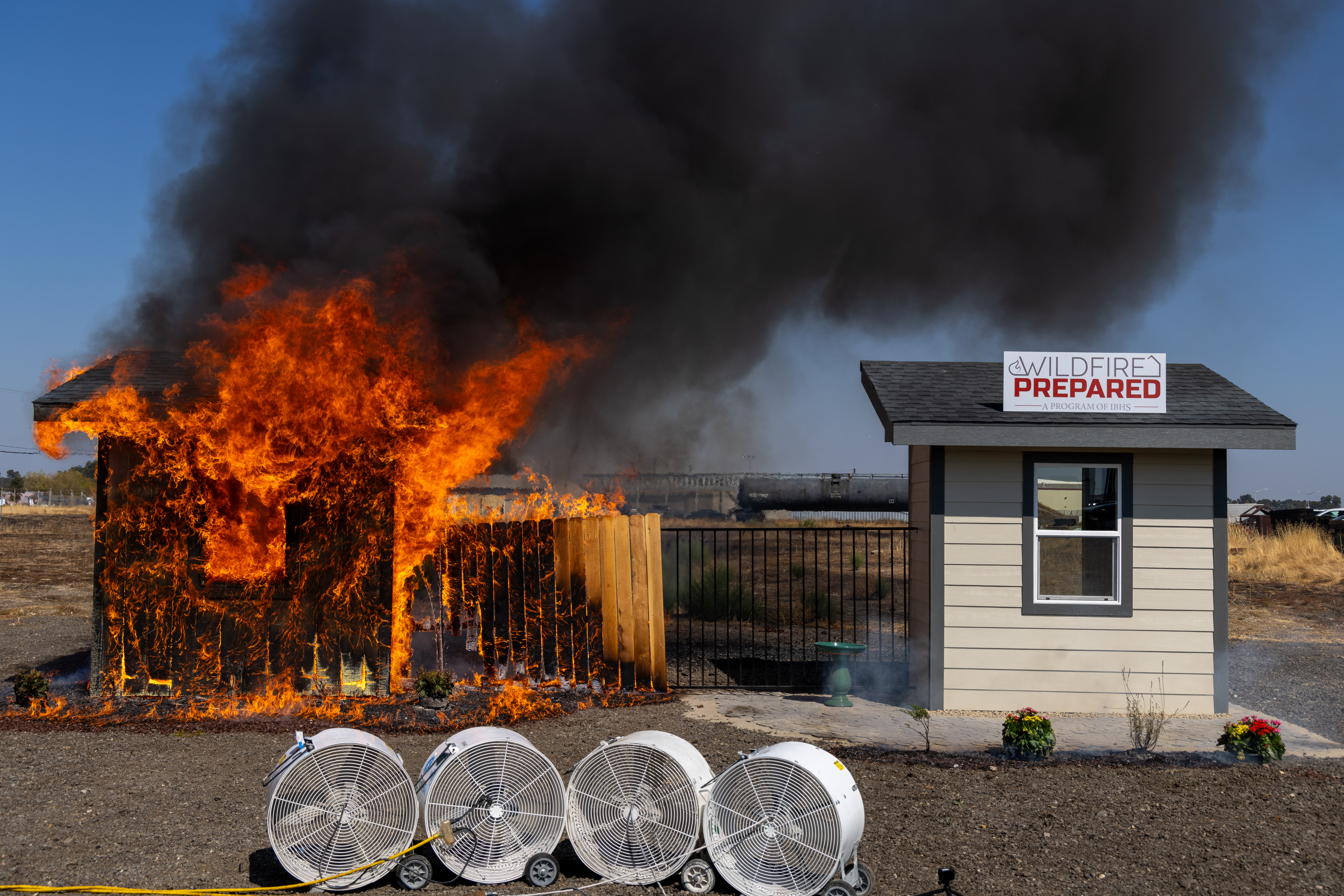
Wildfires can be a threat anywhere—not just along the West Coast. Yet, wildfire mitigation isn’t a single fix—it’s a system of steps designed to keep embers from exploiting vulnerable areas.
- Establish a 5-Foot Buffer: Embers accumulate in the area immediately surrounding a home , so it is critical to establish a 0–5-foot noncombustible zone around the perimeter to prevent them from igniting materials next to the structure and spreading flames to walls.
- Harden the Home Exterior: Ensure you have a Class A-rated roof and maintain it so that it remains free of debris, clean out gutters, and install flame- and ember-resistant vents.
- Fire-Smart Landscaping and Maintenance: Hydrate and space plants; store firewood and propane away from structures; clear debris regularly.
For more guidance on wildfire preparations and risk mitigation, check out IBHS’s Wildfire Ready guide.
Winter Weather: Protect Against Cold Weather Damage
Cold snaps can cause big headaches, especially in areas not used to harsh winters. Southern homes may lack adequate insulation and temperature protection to prevent frozen pipes and other damage commonly caused by winter weather.
- Prevent Pipes from Freezing: Insulate pipes and seal gaps and cracks that allow cold air in; maintain indoor heating even during brief absences.
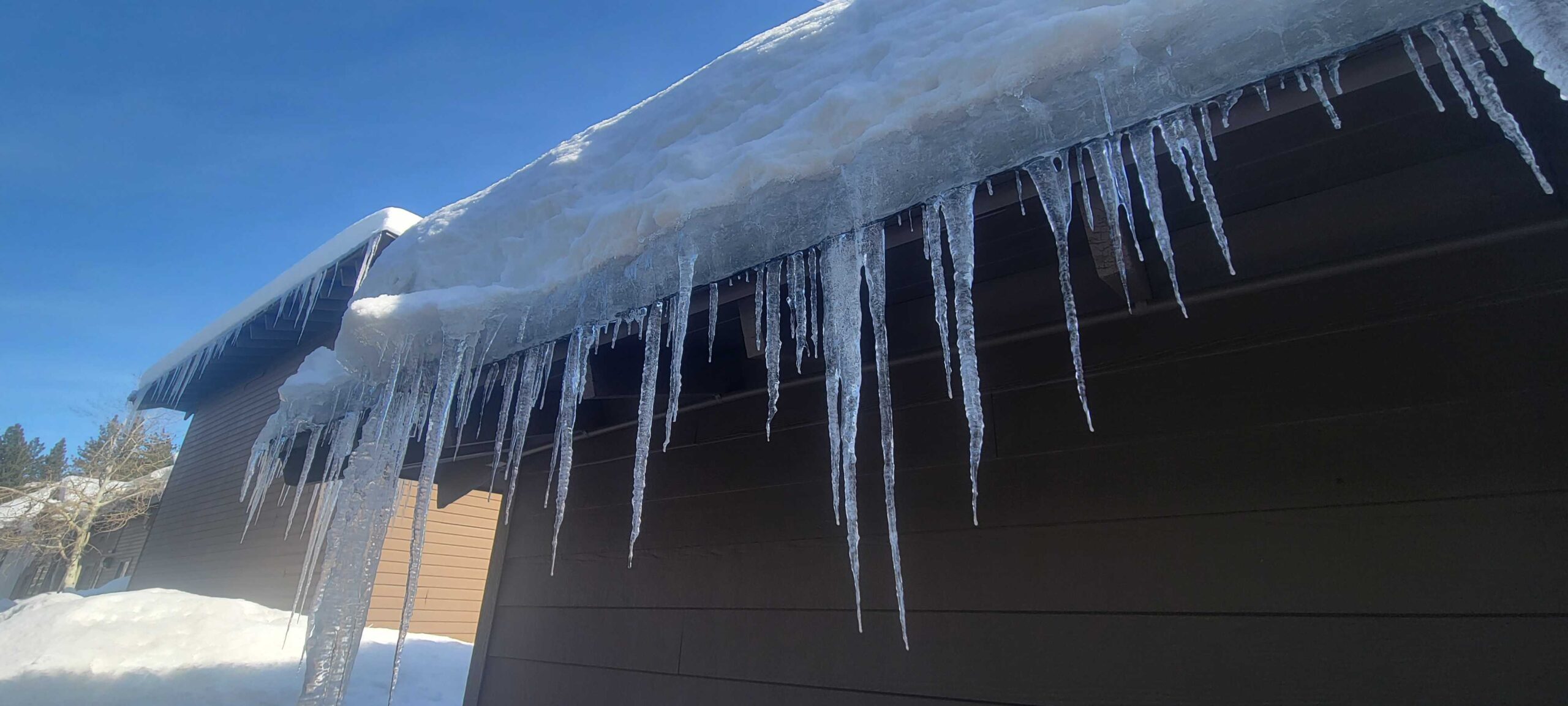
- Reduce Ice Dam Risk: Improve attic insulation and ventilation; keep gutters clear to support drainage.
- Tune Up Your Heating System: Inspect HVAC equipment and chimneys; consider backup heating options like generators.
- Ready Your Exterior: Drain outdoor faucets and irrigation systems; clear walkways and driveways to prevent slips and ensure safe access.
For more guidance on winter weather preparations and risk mitigation, check out IBHS’s Winter Ready guide.
Stay In The Know
Do you want to keep up with the latest resiliency research? Would you like timely tips and reminders to keep your home safe from Mother Nature? Are you interested in the science behind the FORTIFIED standard? Then sign up for the FORTIFIED Update, today!